
If you haven’t been living under a rock for the past six months or so, you’re probably aware of the incredible swell of audience love for Sinners, directed by Ryan Coogler. In the film, brothers Smoke and Stack return home to the Mississippi Delta to open their own juke joint—one that quickly attracts vampires, and perhaps even more disgusting, Klan members. Not since The Babadook have I been so completely moved by a horror film. I can only imagine how it must feel for a Black viewer to take in a story so deeply focused on generational pain. At the height of the film’s emotion, the music swells, and you watch as ancestors sway and dance—music and tradition forming the thread that binds them together.
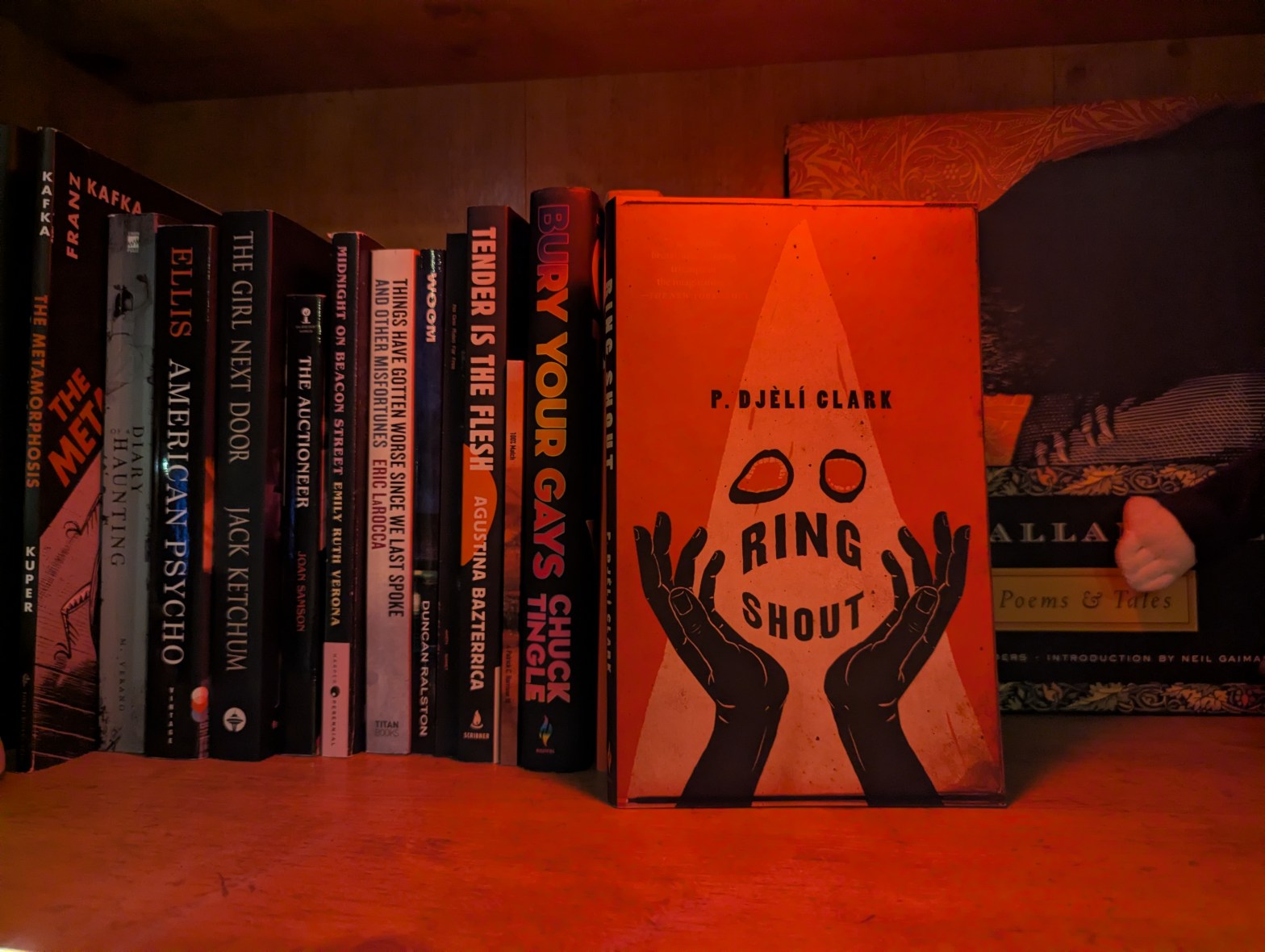
That’s exactly how it felt to read Ring Shout by P. Djèlí Clark.
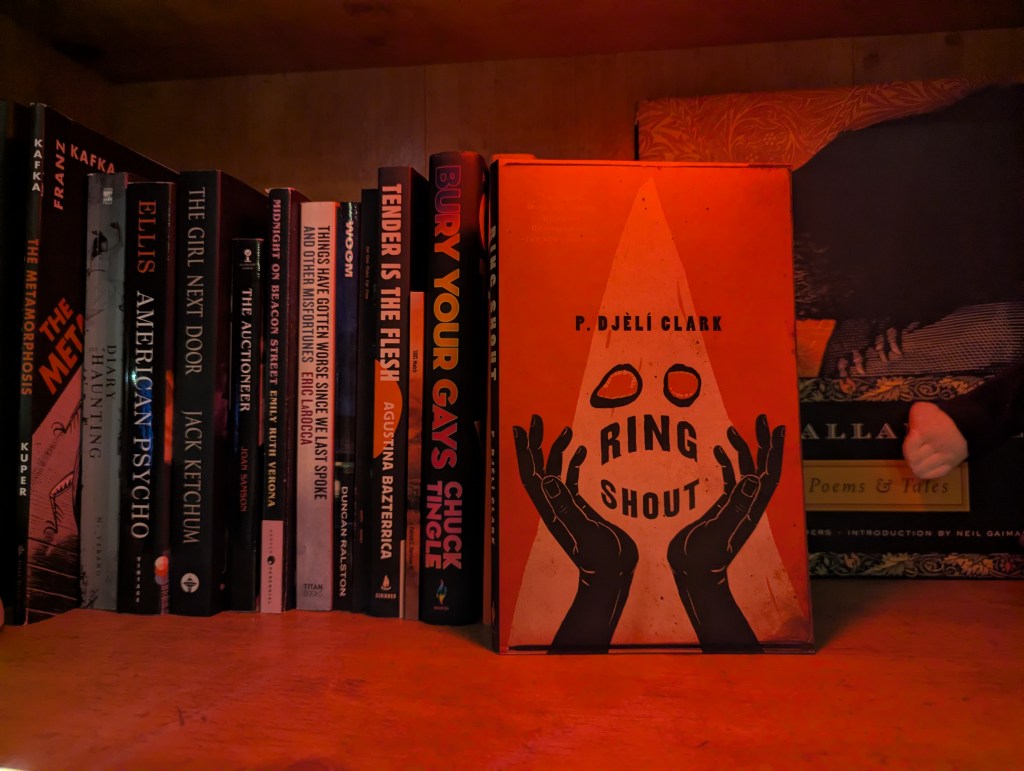
This short, razor-sharp novella follows Maryse Boudreaux and her companions, Chef and Sadie. Their job? Killing Ku Kluxes. Not just regular Klan members—because they maintain one rule: they don’t kill anyone still human enough to change. Ku Kluxes are something else entirely: the final form of what a KKK member becomes—rotten, rabid, dog-like demons from another world. Luckily, their trio includes a bomb expert, a deadly sharpshooter, and an otherworldly sword that appears when called.
Without giving too much away, the story is packed with wild, larger-than-life characters like the demonic Butcher Clyde, unforgettable set pieces (including a juke joint), and glimpses into Gullah cultural traditions preserved over generations. As all of this swirls around Maryse, she is forced to confront her own pain and the memories she carries, all while trying to stop something even worse from entering the world.
One of my favorite things about this book is the way Clark blends real historical horror with mystical elements. A striking example is his use of The Birth of a Nation, the racist 1915 film that depicted the KKK as heroes while portraying Black people as unintelligent and sexually aggressive. It remains one of the most controversial films in U.S. history and was infamously the first movie screened at the White House (thanks, Woodrow Wilson). Clark uses the era’s sensationalism as fuel, stoking the embers of hatred until it transforms people into something unrecognizable—even to themselves.
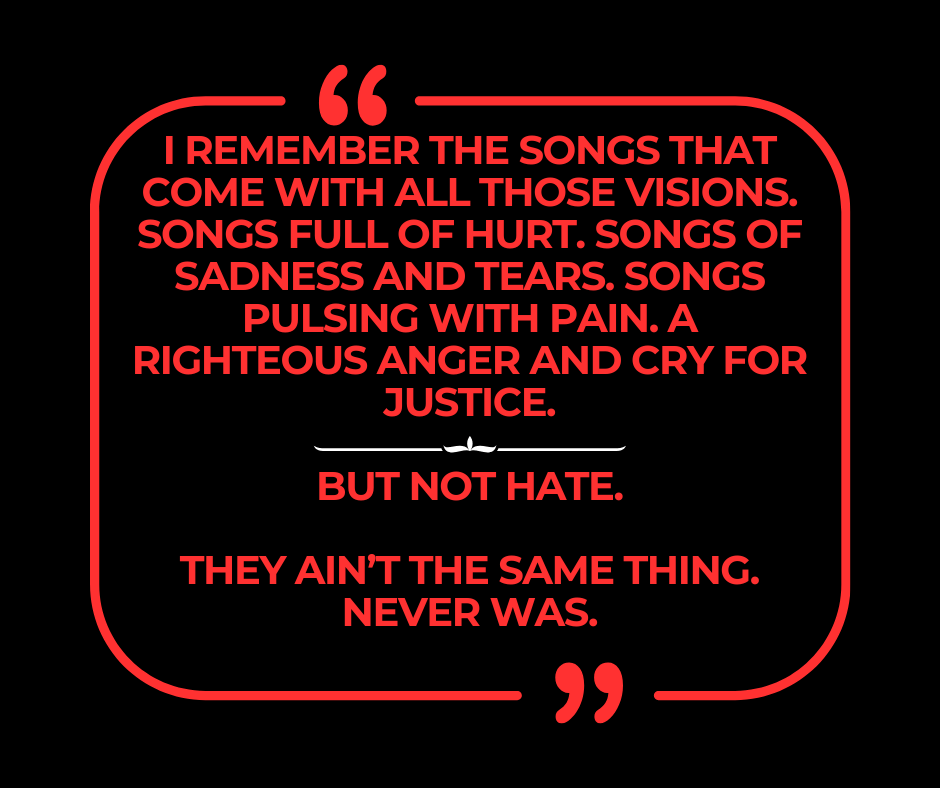
The message is crystal clear: hate consumes everyone it touches. Those who believe they are lifting themselves above others ultimately become slaves to a greater, uglier force.
This is easily one of my favorite reads so far this year, and I have a feeling it will land near—if not in—my top five. I highly recommend it to anyone who loved Sinners, or to readers who want horror that dares to step outside the box and try something new.
It’s also great for people who love stories, people who don’t, and people currently eating a peanut butter sandwich.
Basically everybody.
5/5 ⭐⭐⭐⭐⭐
 briennedaugherty.com