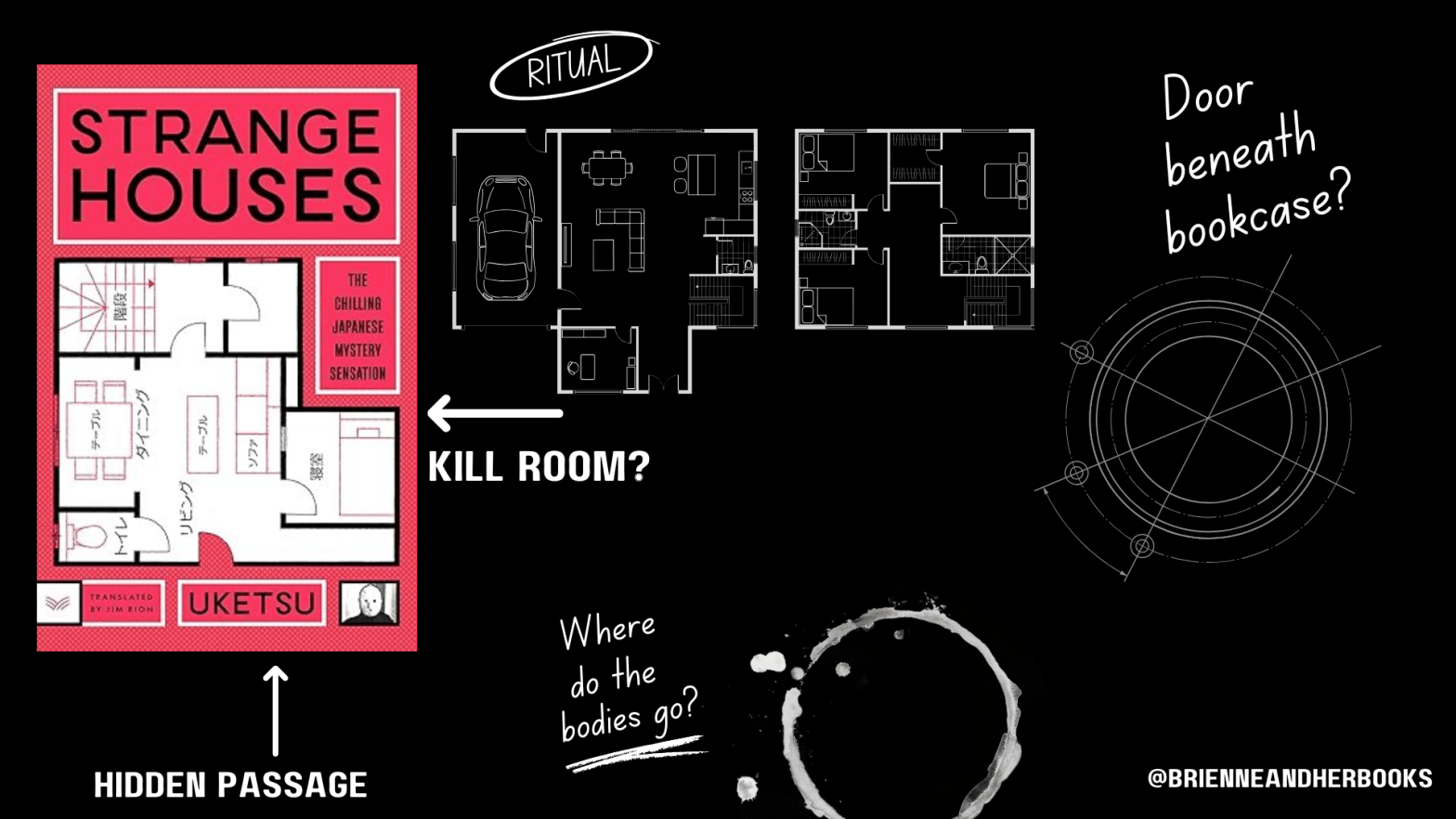
This week I’m reviewing a book that stands uniquely among everything else I’ve read. I can’t say I’ve consumed much Japanese horror, but I was immediately excited to pick this one up based on its description.
When a writer fascinated by the macabre is approached by an acquaintance, he finds himself investigating an eerie house for sale in Tokyo. At first, with its bright and spacious interior, it seems like the perfect first home. But upon closer inspection, the building’s floor plans reveal a mysterious “dead space” hidden between its walls. Seeking a second opinion, the writer shares the floor plans with his friend Kurihara, an architect, only to discover even more unnerving details.
How cool does that sound?!
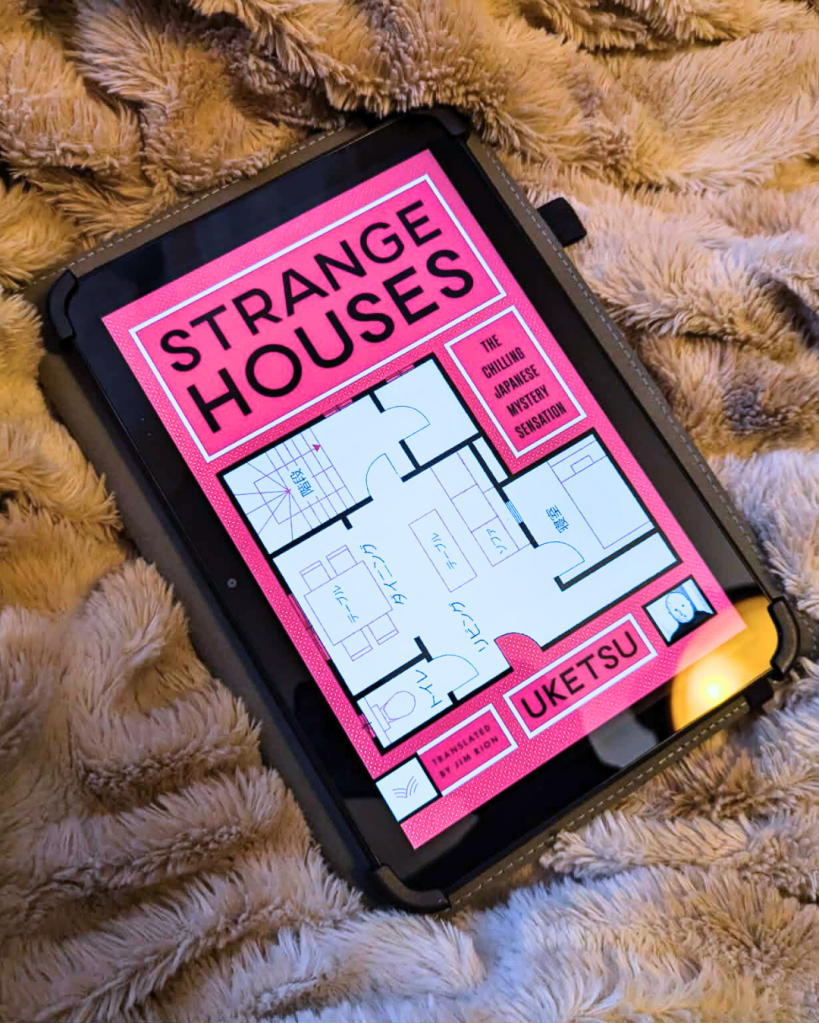
Strange Houses by YouTube sensation Uketsu was immediately added to my TBR. When you open the book (I chose the digital version), you’re met with the floor plan of a home. The book asks you to examine it closely, paying careful attention to detail, and see if anything stands out. And I am nothing if not great at following directions. I turned my screen this way and that, examining the floor plan upside down, cursing my Kindle screen for adjusting, while my husband watched with amusement.
I hoped this wouldn’t just be a fun gimmick at the beginning, and that the floor plan element would continue throughout the novel—and I was NOT disappointed.
Examining the evidence—whatever this evidence truly was—made the book feel more like a mystery novel than true horror. There’s nothing wrong with that; the experience was still really enjoyable. But in terms of scares, it did feel a bit lacking. Take that opinion with a HUGE grain of salt, though, because Japanese horror—whether in movies, books, or otherwise—is widely revered as some of the best in the world. Since I’m still relatively new to horror across different cultures, there may be tropes, themes, and techniques being used in ways I simply don’t yet recognize.
The story is told from the POV of Uketsu himself and his architecturally knowledgeable friend, Kurihara. Another friend is considering purchasing a new home and sends Uketsu the floor plan for advice. Curious about the strange dead space, Uketsu enlists Kurihara’s help in speculating what it could be used for. What initially doesn’t seem too foreboding quickly spirals into a disturbing theory involving children, bodies, and much more.
The mystery takes some wild turns as it unfolds, and what I enjoyed most was feeling like a detective alongside the characters the entire time. I’d love to see more American mystery novels take this approach—allowing readers to not only experience the story, but actively participate in solving it. It felt like a blend of Choose Your Own Adventure Goosebumps books and those Hunt A Killer mystery kits you get in the mail.
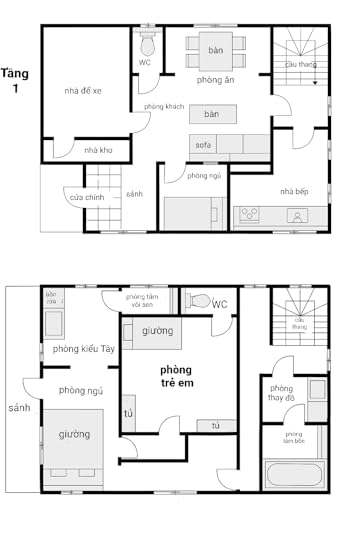
And yet, despite this unique structure, the book wasn’t a total home run for me. While it excelled in entertainment value, it lacked complex, emotionally believable characters. The story is almost entirely plot-driven, which made it difficult for me to form a strong emotional connection with anyone in it. Still, this won’t stop me from reading Uketsu’s future work—I’m curious to see where he goes next.
I’d recommend this book to anyone who, like me, isn’t deeply familiar with Japanese literature and is looking for something unique and refreshing to add to their TBR pile.
Have you read Strange Houses? What did you think?
 briennedaugherty.com