Looking for a queer, gothic horror novel centered on an incredibly toxic mother/daughter relationship? Then boy, do I have the book for you. The Lamb by Lucy Rose is a profound coming-of-age horror story that follows Margot as she transitions into womanhood and begins to uncover feelings she’s been forced to bury beneath her mother’s for most of her life.
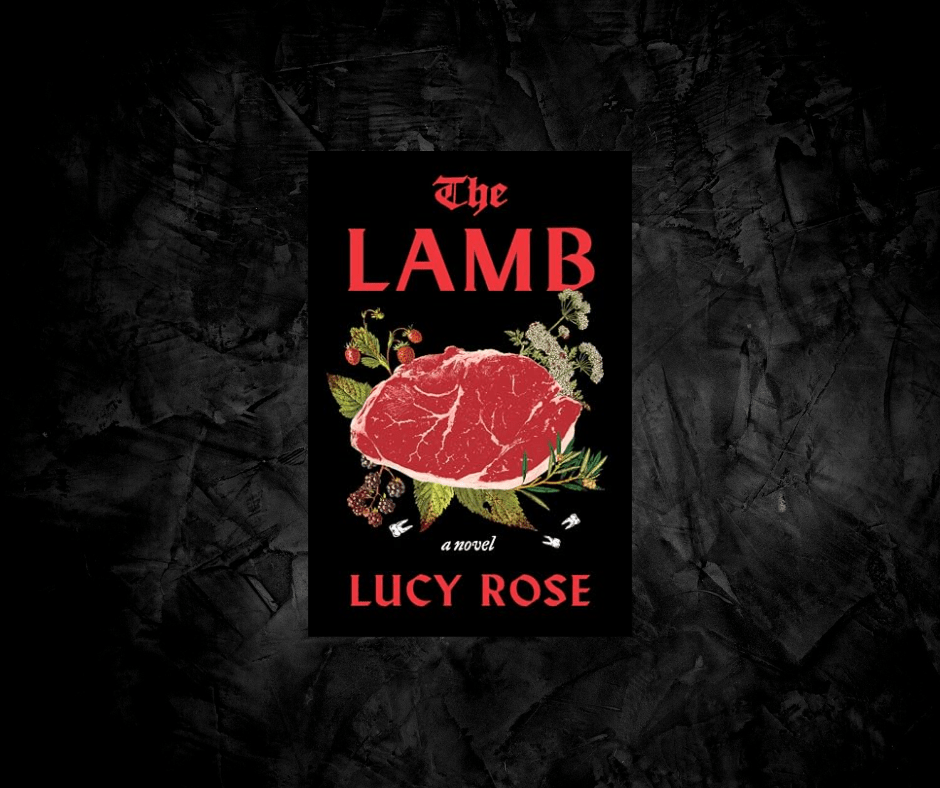
From a young age, it has been Margot and Mama against the world. Margot is indoctrinated into a sick ritual of dehumanizing, capturing, killing, and eating people her mother deems “strays.” As she grows older, Margot develops increasingly complicated feelings about the ritual, her mother, and herself—feelings she can’t fully reconcile. Told in first person, the novel immerses readers in Margot’s distorted worldview, and when a mysterious woman appears at their door, Margot is forced to confront the shifting power dynamics of her relationships.
If ever there were an example of beautiful and gruesome literary horror, this is it. Rose’s lyrical prose brings a wild, poverty-stricken setting vividly to life, with tension that builds slowly and deliberately from the very first page. The author so elegantly describes the romantic, almost tender family meals shared between Mama, Margot, and Eden that I occasionally forgot that what lay between the aromatic gravy and creamy potatoes was once a person.

That said, don’t mistake the slow-burn horror for a lack of plot. Margot must navigate her changing body, explore the ache of first, queer love, protect her mother’s horrifying secret, and investigate her mother’s suspicious new partner—all while trying to survive emotionally and physically. Frankly, I’m impressed she finds the time.
Because of its deliberate pacing, it’s easy to overlook the larger questions The Lamb asks. On the surface, the central question seems to be: Will Margot continue living as her mother does, or will adulthood lead her down a different path? But beneath that lies something far more unsettling. The narration is strikingly matter-of-fact, and while Mama’s moods swing wildly, Margot appears almost emotionally vacant—until she isn’t. Gradually, the question transforms into: Will Margot learn to feel in a way readers can recognize and understand? That quiet shift stayed with me long after I finished the book.
The Lamb is a haunting, thoughtful work of queer literary horror, and I highly recommend settling into your favorite chair with a delicious meal and devouring this unsettling tale. I’m giving it ⅘ stars; while the slow burn occasionally felt a bit too slow for my taste, the payoff and thematic depth more than make up for it.
⭐⭐⭐⭐
 briennedaugherty.com